
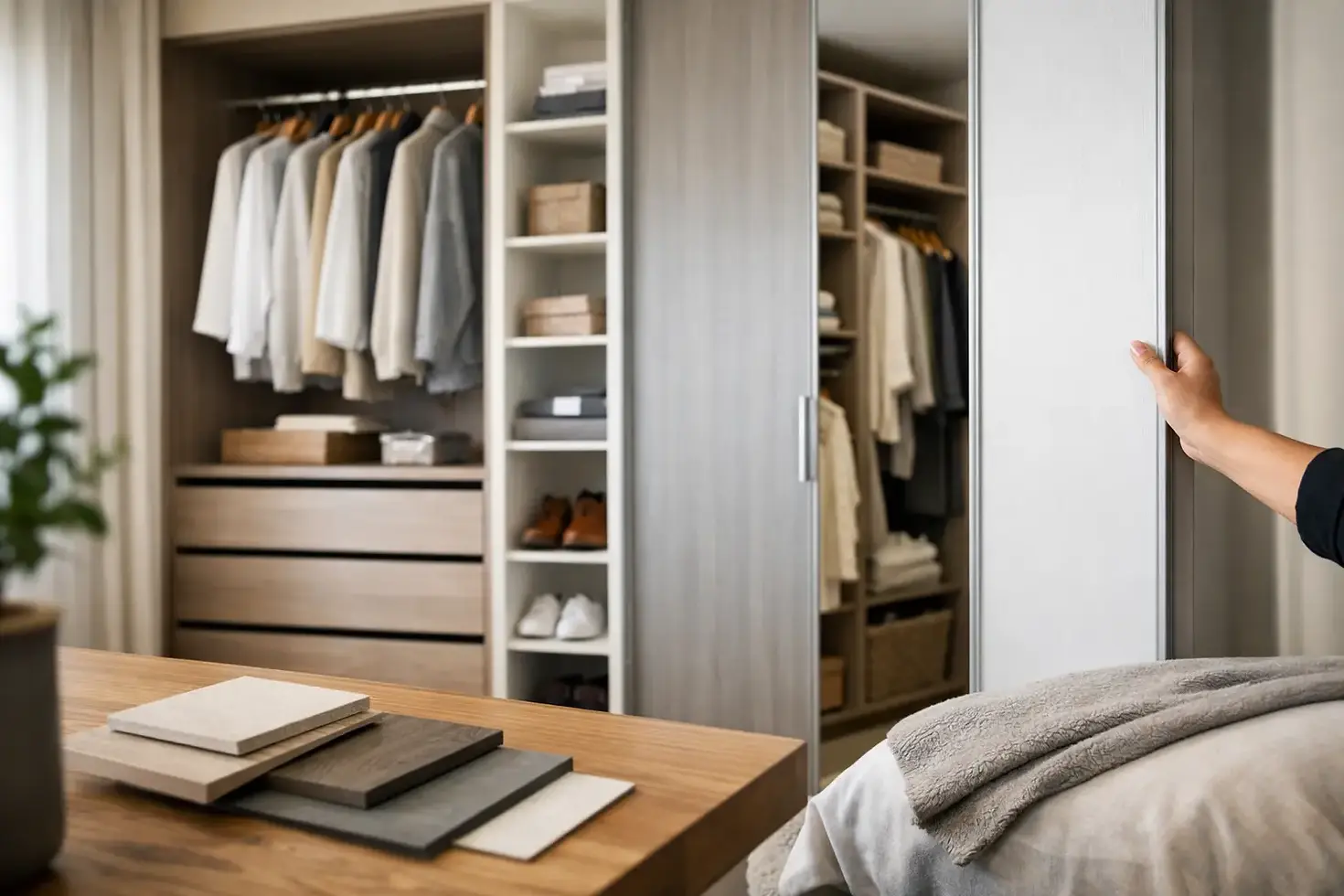
How to Choose the Best Built In Wardrobes

A wardrobe can take up an entire wall and still fail at the one job it is meant to do. That usually happens when the layout inside has been guessed, the room shape has been ignored, or the finish looks good in a showroom but not in your home. The best built-in wardrobes solve all three at once - they fit the room properly, store what you actually own, and look like they belong there.
For most homeowners, the real question is not whether fitted storage is better than freestanding furniture. It is how to tell the difference between a wardrobe that simply fills a space and one that genuinely improves the room. That comes down to design choices that affect daily use, from door style and internal layout to finish, lighting and installation quality.
What makes the best built-in wardrobes?
The best built-in wardrobes are not defined by one style or one price point. They are defined by fit, function and finish. A well-made wardrobe should feel as though it was planned with the room from the start, even if it was added years later.
Fit matters first. Bedrooms are rarely perfect rectangles, and even small irregularities can leave gaps, wasted corners or awkward dead space with standard furniture. Built-in wardrobes work best when they are designed around sloped ceilings, chimney breasts, alcoves and uneven walls rather than fighting against them. That is where made-to-measure joinery earns its value.
Function matters just as much. A wardrobe that looks smart from the outside but lacks sensible storage inside becomes frustrating very quickly. Long hanging for dresses and coats, double hanging for shirts and trousers, drawers for smaller items, shelving for knitwear, and space for shoes all need to be planned around the person using it. Shared wardrobes need a different balance again.
Finish is what turns storage into part of the room. The door style, handles, colour, panel detail and interior feel all contribute to whether the wardrobe looks premium or simply large. Good fitted furniture should add order to a room, not visual weight.
Built-in wardrobes that suit the room
There is no single best design for every bedroom. The right wardrobe depends on available floor space, ceiling height, natural light and how the room is used.
In a compact bedroom, sliding wardrobes are often the practical choice because the doors do not need clearance to open. That can make a noticeable difference where the bed sits close to the storage wall. Sliding doors also suit a cleaner, more contemporary look, especially with plain panels or mirrored sections that help a room feel brighter.
Hinged wardrobes offer easier access to the full interior at once. For many homeowners, that makes daily use more straightforward. They also allow more flexibility with internal drawers, pull-out accessories and traditional styling. If there is enough space for the doors to open comfortably, hinged designs can be the better long-term option.
Floor-to-ceiling wardrobes make the most of every inch, particularly in homes where extra storage is always in demand. The upper sections are ideal for less-used items such as spare bedding, luggage or seasonal clothing. In lower ceilings or awkward attic rooms, the best solution may be a mixed design that follows the lines of the space rather than forcing everything into one rigid shape.
Why internal layout matters more than most people expect
Many wardrobe problems begin inside. From the outside, almost any fitted unit can look tidy. The difference shows after a few weeks of use.
A good internal layout starts with an honest look at what needs to be stored. Someone with mostly folded clothes will need more shelving and drawers than hanging rails. Someone with suits, dresses or longer garments will need full-height hanging space. Couples often benefit from divided sections so one side does not gradually take over the other.
It also helps to think beyond clothes. Modern wardrobes often need to hold bags, shoes, jewellery, laundry baskets, spare duvets and sometimes even a discreet dressing area. If these are not planned in at the design stage, they tend to end up elsewhere in the room, defeating the point of fitted storage.
The best built-in wardrobes make everyday routines easier. That might mean soft-close drawers, easy-reach shelves, integrated mirrors or a better balance between open and closed storage. Small details matter because they affect how the wardrobe performs every day, not just how it looks when first installed.
Choosing finishes that will still look right in five years
A wardrobe is a large visual feature, so the finish deserves careful thought. Trends come and go quickly, but fitted furniture stays in place for years. A finish that feels too sharp, too dark or too decorative can date faster than expected.
That does not mean playing safe with everything. It means choosing materials and colours that work with the rest of the room. Soft neutral shades, woodgrain textures and simple panel designs tend to have lasting appeal. In some spaces, a darker finish can add depth and contrast, but it usually works best where there is enough natural light and a clear design plan for the room overall.
Handles can change the feel of a wardrobe more than many people realise. Minimal profiles create a cleaner, more modern look, while classic knobs or bar handles can make hinged doors feel more traditional. If you are after a calmer, built-in appearance, integrated handle designs are often worth considering.
The interior finish matters too. A wardrobe should not feel like an afterthought when opened. A well-finished inside makes organisation easier and gives the whole piece a more complete, premium feel.
The difference between fitted and truly bespoke
Not all fitted wardrobes are designed in the same way. Some are assembled from set-size components and adjusted to suit the room. Others are made specifically for the space, with dimensions, layout and finish tailored from the outset.
That difference becomes more obvious in awkward rooms. Alcoves, angled ceilings, off-square corners and older properties often expose the limits of standard systems. Bespoke work allows the wardrobe to be built around the room rather than around pre-set units. The result is usually cleaner, more practical and better looking.
This is also where workmanship matters. The best design on paper can still disappoint if the installation is rushed or the finishing is poor. Tight scribing, clean lines, smooth door action and tidy fitting all make a real difference to the final result. Homeowners investing in fitted furniture are usually not just buying storage. They are buying a room that feels more complete.
Best built-in wardrobes for value, not just price
It is natural to compare costs, but wardrobes are one of those home upgrades where the cheapest option can look expensive later. Gaps, poor materials, limited storage or a layout that does not suit your needs often lead to regret rather than value.
Better value comes from getting the fundamentals right the first time. A wardrobe that uses the full height of the room, solves awkward storage problems and matches the style of the bedroom can remove the need for extra furniture altogether. That often leaves the space feeling larger, calmer and easier to keep tidy.
For homeowners in Meath, Dublin and nearby areas, a local bespoke service also brings practical advantages. Site measuring, design advice and professional installation tend to be more reliable when handled by an experienced fitted furniture specialist rather than a chain supply model. A free consultation can also help identify options you may not have considered, particularly in rooms with difficult dimensions.
What to ask before you commit
Before choosing a wardrobe design, it is worth asking a few straightforward questions. Will the layout still work in winter when heavier clothes need more space? Are the drawers in the right place to open fully? Will the doors suit the room once the bed, bedside units and walkways are all taken into account?
You should also ask what materials and finishes are being used, how the wardrobe will be fitted to uneven walls or ceilings, and whether the interior is being customised or selected from a standard template. These are the details that separate a basic fitted unit from a wardrobe that feels properly made for your home.
John Anthony Carpentry focuses on made-to-measure craftsmanship for exactly this reason. A wardrobe should not just fill a wall. It should solve a problem cleanly, look right in the room, and stand up to daily use.
The best built-in wardrobes are the ones that feel effortless once they are in place. You stop thinking about where things go, the room works better, and the storage looks as though it was always meant to be there. That is the standard worth aiming for.


Comments